

 Fieldmasters
Admin
Fieldmasters
Admin
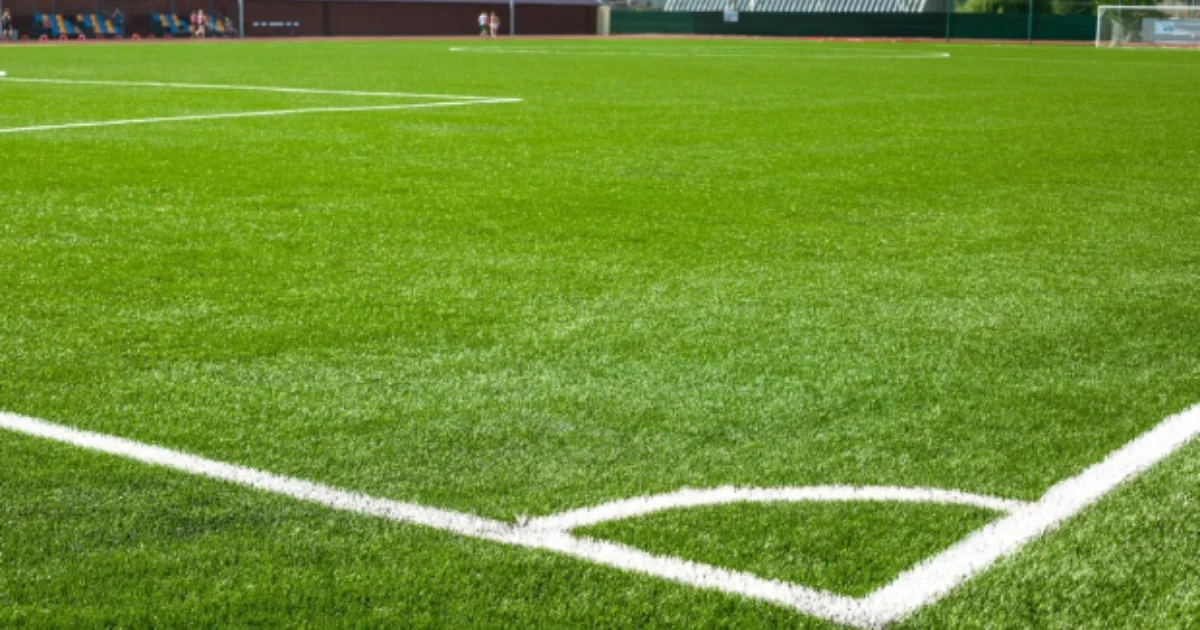
Imagine a playing field that stays lush and green year-round, defying the challenges of weather and wear, where athletes can give their best without worrying about slips and injuries. Now, imagine this isn't a dream but a reality — made possible by synthetic turf.
Synthetic turf, also known as artificial grass or fake grass, is a game-changer in sports and recreation. It's not just a substitute for natural grass — it's a superior playing surface that offers many benefits to athletes, sports organizations, and the environment.
In today’s blog post, we will take a look at the evolution of sports fields, the advantages of synthetic turf, its cost-effectiveness, and its impact on sports performance, sustainability, and maintenance.
Whether you're an athlete, a sports facility manager, or someone interested in the world of sports, this blog post will provide you with valuable insights into why synthetic turf is becoming the preferred choice for sports fields worldwide.
Our team at Fieldmasters Synthetic Grass has been a leader in the synthetic turf industry since 1991, providing high-quality artificial turf products suitable for various applications, including putting greens, playgrounds, and landscaping. Our products address concerns related to water shortages and environmental issues by eliminating the need for constant maintenance, while also offering durability, versatility, safety, and a natural appearance that enhances any landscape. Give us a call or send us an email today and let’s talk about your landscaping needs.
The Evolution of Sports Field Surfaces
Natural grass has been the go-to playing surface for sports fields for centuries.
Synthetic turf became popular in the late 20th century, with significant growth in usage during the 1960s and 1970s. The first-generation synthetic turfs were introduced in the 1960s, primarily for sports like football and baseball. Over the decades, advancements in technology and improvements in the quality of synthetic turf have contributed to its widespread adoption in various sports and recreational applications.
Today, synthetic turf is a common choice for sports fields, playgrounds, landscaping, and other areas where natural grass may be impractical or challenging to maintain.
Advantages of Synthetic Turf
These are a number of advantages that make synthetic turf an attractive choice for sports fields, providing not only a durable and reliable surface but also contributing to sustainability efforts, cost-efficiency, and player safety. Let’s explore a few of them:
Durability and Resilience
Synthetic turf has remarkable resistance to wear and tear, ensuring that it can withstand the rigorous demands of sports and recreational activities without deteriorating quickly.
Its ability to endure heavy use, including cleats and frequent play, makes it an excellent choice for sports fields that experience high traffic.
Low Maintenance Requirements
Synthetic turf significantly reduces water consumption compared to natural grass fields, contributing to water conservation efforts and cost savings.
With minimal mowing and upkeep needs, maintenance personnel can allocate their time and resources more efficiently.
All-Weather Playability
Synthetic turf eliminates the frustration of rainouts, as it provides a reliable playing surface in all weather conditions, including heavy rain or extreme heat. The consistency in performance, whether wet or dry, allows athletes to focus on their game without worrying about uneven or slippery terrain.
Enhanced Player Safety
Synthetic turf reduces the risk of injuries by offering a consistent and cushioned surface that minimizes the impact on players during falls or collisions. Its shock-absorbing properties help prevent injuries like turf burns and joint strains, creating a safer environment for athletes of all ages and skill levels.
Improved Sports Performance
The improved sports performance offered by synthetic turf enhances athletes' abilities and elevates the quality of play. This makes it a popular choice for sports fields where precision and consistency are essential.
Impact on Player Performance
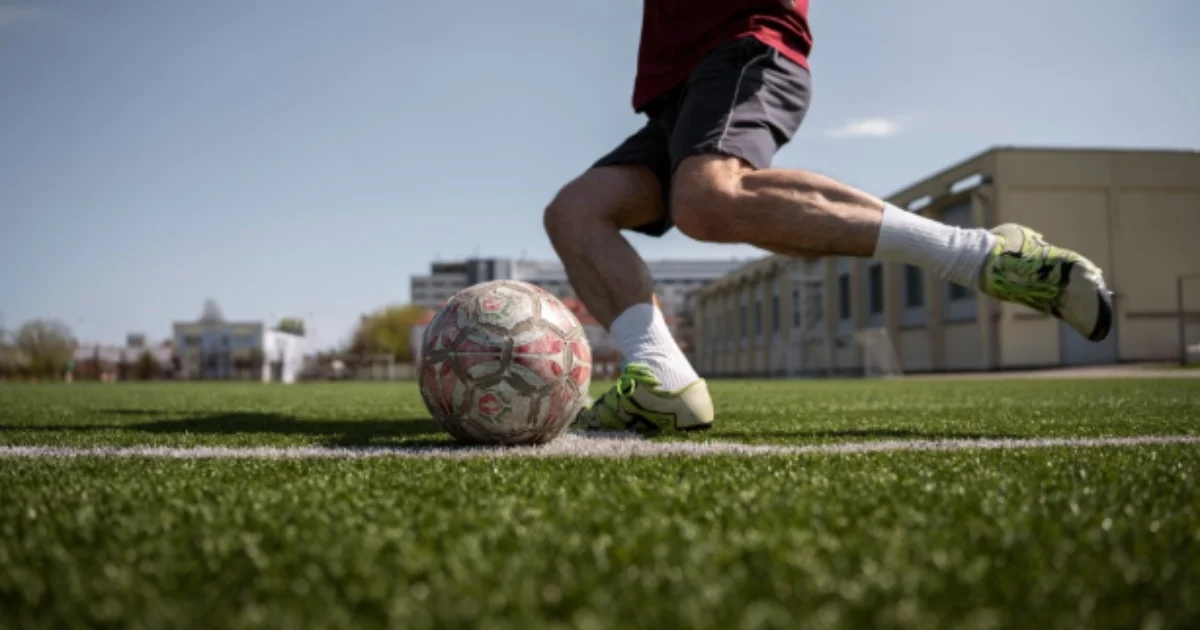
Synthetic turf offers a consistent playing surface with minimal variations, allowing athletes to predict and control their movements with confidence, resulting in improved agility and precision.
The stable footing provided by synthetic turf reduces the likelihood of slips and falls, empowering athletes to make faster cuts, accelerate more quickly, and maintain balance.
Impact on Ball Movement and Speed
Synthetic turf's smooth and even surface ensures a more predictable ball bounce and roll, leading to faster and more precise ball movement in sports like soccer, field hockey, and lacrosse.
The controlled surface of synthetic turf enables athletes to better anticipate and respond to the ball's behaviour. This results in crisper passes, accurate shots, and an overall faster-paced game. Win, win.
Cost-Effectiveness
While the upfront investment may be higher, the ongoing maintenance and operational savings, including reduced water usage and maintenance expenses, more than justify the initial expense.
Beyond the financial aspect, the economic benefits for sports organizations are substantial, as they can generate additional revenue by scheduling more events, practices, and games on a reliable all-weather surface. They can attract more participants and spectators, reduce downtime due to weather-related cancellations, and ultimately optimizing the utilization of their facilities.
Sustainability and Environmental Benefits
From a sustainability point of view, synthetic turf checks all of the boxes:
Synthetic turf significantly reduces water usage compared to natural grass, benefiting regions facing water scarcity or drought conditions.
This reduction in water consumption conserves a valuable resource and minimizes environmental impacts like excessive irrigation and water runoff.
Synthetic turf eliminates the need for harmful pesticides and fertilizers, improving water quality and reducing pollution in local ecosystems.
Reduced chemical applications also avoid potential health risks associated with pesticide exposure, benefiting both the environment and public health.
Many synthetic turf systems incorporate recyclable and eco-friendly materials in their construction. These materials promote sustainability throughout the turf's llifecycle and reduce waste associated with sports field maintenance and renovation.
Synthetic turf is often designed to be recyclable at the end of its useful life, further minimizing its environmental footprint.
Synthetic Turf Maintenance
Like everything in life, the more you take care of something, the more you can preserve its quality, safety, and longevity. The same is true for synthetic turf. In order to do this, sports facilities need to establish a routine maintenance program to optimize the field's performance and lifespan.
Here’s what that can look like:
Perform Cleaning Routines
Regular cleaning involves removing debris, leaves, and dirt to maintain the appearance and safety of the field.
Groom with specialized equipment to help restore the turf's resilience and keep the fibers upright for optimal performance.
Address Common Issues and Repairs
Address seams and infill levels to ensure an even playing surface and reduce the risk of tripping.
Repair minor tears or damages promptly to prevent them from becoming larger and more costly issues.
Maintain Longevity and Lifespan of Synthetic Turf
Proper maintenance significantly extends the lifespan of synthetic turf, with well-maintained fields lasting 10-15 years or more.
Regular maintenance is a cost-effective investment that preserves the field's performance qualities, ensuring a consistent playing surface over time and maximizing the return on investment.
Our team at Fieldmasters Synthetic Grass has been a leader in the synthetic turf industry since 1991, providing high-quality artificial turf products suitable for various applications, including putting greens, playgrounds, and landscaping. Our products address concerns related to water shortages and environmental issues by eliminating the need for constant maintenance, while also offering durability, versatility, safety, and a natural appearance that enhances any landscape. Give us a call or send us an email today and let’s talk about your landscaping needs.