 Fieldmasters
Admin
Fieldmasters
Admin
If you’re a sports fan in and around the GTA, the Toronto Blue Jays have probably impacted your life in one way or another.
Whether it’s the two World Series wins or the legendary Bautista bat flip, you’ve likely got an indelible Blue Jays image etched into your memory.
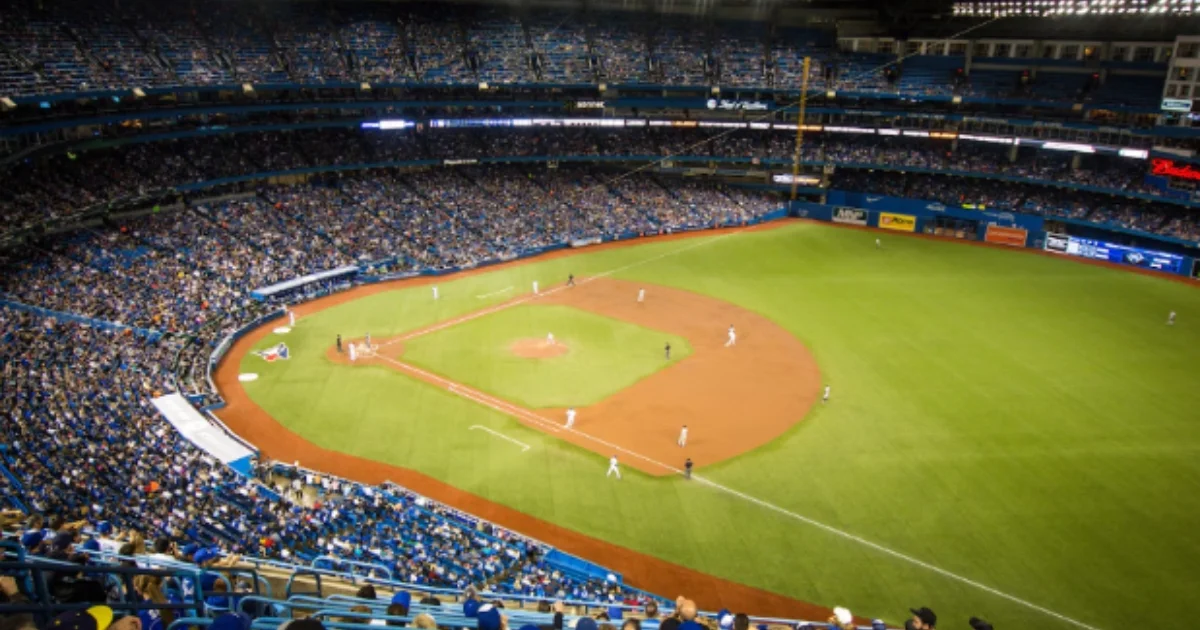
A signature or trademark of Canada’s lone Major League Baseball franchise is the Rogers Centre, aka the Skydome. And synonymous with the storied 50,000-plus stadium is its artificial turf playing field.
Over the years, the topic of synthetic grass baseball fields has been a hot-button in nature. But pro teams all around the world, including the Jays, still consider synthetic turf the gold standard in training, practice, and play.
That’s because the artificial turf of today is leagues beyond its early predecessors. Technologies have been implemented into the dome’s turf to protect players’ bodies, absorbing the many stressors and impacts caused by playing 162 games per year.
The Rogers Centre isn’t the only place that has made its turf safer for players. We’ve also fine-tuned our technologies and compositions to protect you and everyone who comes onto your home field to run, jump, and slide.
Here, we’ll dive into the ins and outs of artificial turf for athletic training, and why it’s become a game-changer for pros and weekend warriors alike.
Fieldmasters Synthetic Grass, a leader in the synthetic turf industry since 1991, has been installing and maintaining a variety of synthetic turf systems for years. Call us or send an email today to learn more.
Artificial Turf for Athletic Training: A Matter of Pragmatism
Let’s keep things baseball-centric for another few paragraphs.
Baseball traditionalists have long lamented the implementation of AstroTurf, going back to 1966 when it was first used by the—you guessed it—Houston Astros.
We’ll momentarily humour the traditionalists and entertain the notion of switching up the Rogers Centre’s artificial turf with natural grass.
Scientists have looked into the idea of transitioning from “fake” grass to the real thing. The results showed it was impractical and not viable. It’d be impossible to keep the grass alive for a sustained period because the dome blocks sunlight.
Of course, the retractable dome is essential for the Blue Jays because of the more temperamental climate in Toronto compared to places like Atlanta and LA.
So, we can confidently say that the implementation of turf for the Jays was driven by pragmatism. Using natural grass wouldn’t make a lick of sense for the franchise.
Such pragmatism has always been at the core of artificial turf’s prevalence in sports.
From reduced maintenance to staving off climate-based challenges and cost savings, teams in grass-field sports have had many valid reasons to use synthetic turfs.
Your property might be smaller than a baseball or football stadium, but the above notions apply nonetheless. We’ll explore how below.
1. Seamless Field Maintenance
Synthetic grass requires you to hose off debris once every week or two. That’s virtually nothing compared to all that goes into maintaining natural grass.
In fact, one of the primary reasons stadiums switch to artificial turf is the ease of maintenance.
Have you ever seen the damage torrential rainfall does to a natural playing field? It turns into a swamp—and it takes a massive amount of physical labour to repair the damage.
Conversely, artificial turf surfaces—like ours—are built with high-drainage materials to ensure fields don’t get flooded.
These same benefits extend to your personal playing field on your property. In the case of a rainstorm, you won’t have to spend hours repairing the damage. The turf will drain much of the water independently, and you can start training soon after.
2. You’ll Always Have a Field to Play On
We’d never suggest playing your chosen field sport on artificial turf during a rainstorm. The drainage system needs time to work its magic.
Still, once the rain is cleared up, you’ll have a place to play without much waiting.
Compare that to puddles and muck that pervade most natural grass lawns after a significant downpour.
The title of this blog is about increasing your performance with artificial turf. Improving your play or fitness revolves around having a place to practice or train. Synthetic grass playing fields give you precisely that.
Natural grass playing fields require you to wait a few days after a harsh storm, disrupting your progress and putting a damper (literally and figuratively) on things.
Athletic performance is all about momentum and consistency. Artificial turf promotes both, ensuring you stay on your fitness trajectory.
You’re also not limited by seasons with artificial turf.
Say you have a putting green made of synthetic grass in your backyard—a smallish patch.
Now, anybody living in Southwestern Ontario knows that some winter days can be very mild, with temperatures even reaching the teens.
Compared to natural grass, you’ll have a far easier time using your artificial putting green during a warmer day between December and March.
We’re not just talking golf, either.
The whole family may want to play flag football on a milder day during the winter months.
In the above instance, artificial turf in your yard makes these rugged, athletic endeavours far safer, cutting down on the dangers of harsher, icier elements.
3. Injury Prevention
While debates on bodily wear and tear caused by artificial turf persist, there’s no denying the improvements made over the years.
Many modern artificial turfs possess “infill” systems, wherein a top-layering of artificial fibres overlies a levelling layer, a grouping of shock-absorption pads, a naturally compacted subgrade, and a drainage layer.
These padding layers reduce the pounding bodies can take on artificial surfaces.
Additionally, the heightened drainage capabilities reduce slipping. Artificial turf surfaces are also far more even than natural grass, cutting down on divots and dips that lead to dangerous missteps.
Another consideration is wearing the appropriate footwear to prevent turf-related injuries. There are specific cleats and turf shoes with optimal traction, reducing the potential for twists and strains.
Doing anything active comes with the risk of injury. However, playing on modern artificial turfs won’t increase that risk.
4. Versatile Playing Fields
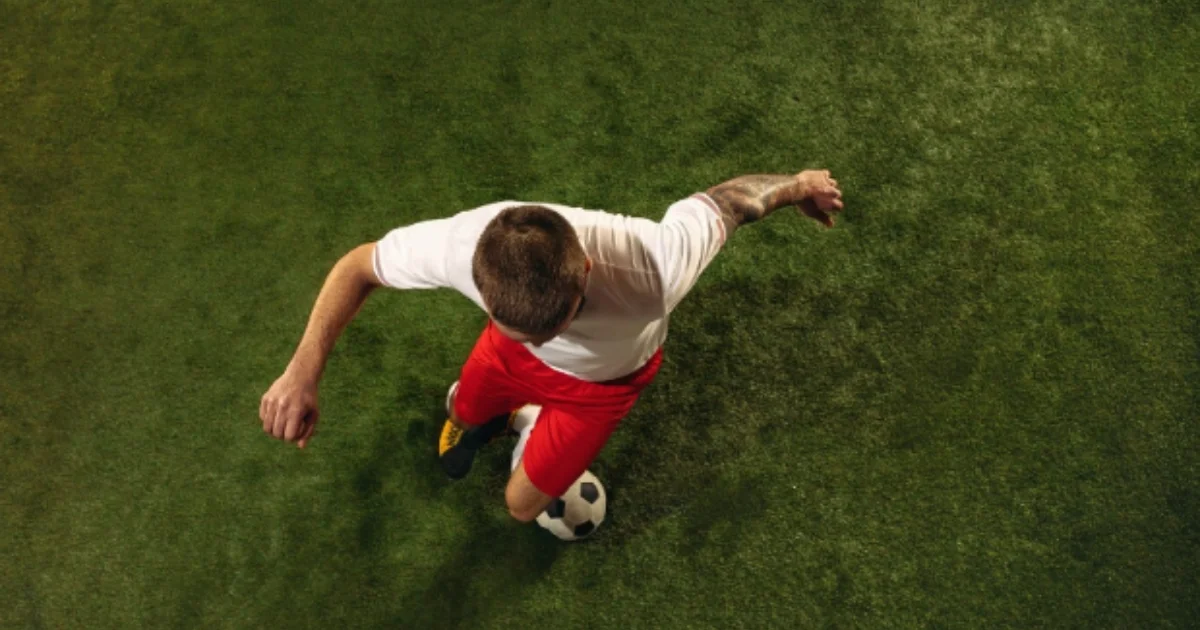
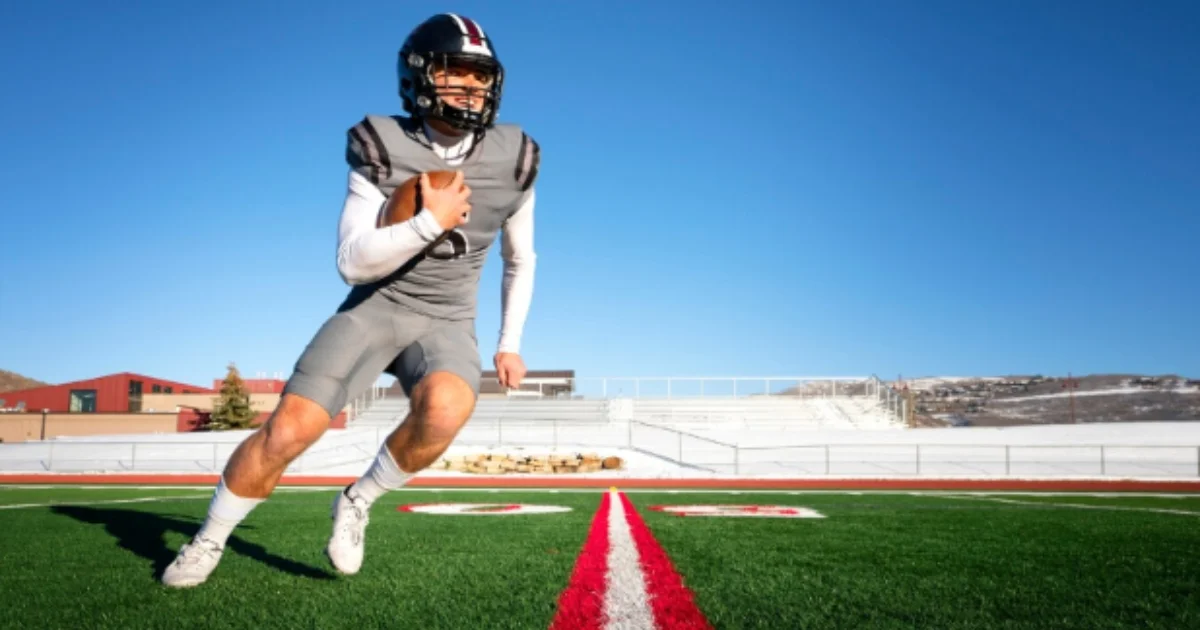
You can play numerous sports on synthetic turf, from soccer and football to baseball, field hockey, and more. It can also suffice as a putting or chipping green.
Yet, artificial turf’s versatility doesn’t begin and end with the sports you can play on them. It extends to where those sports can be played.
Homeowners can install artificial turf in their back or front yard for athletic purposes, but that's not all. Synthetic grass can also be installed indoors.
Not all living spaces have room for artificial turf, but many do, specifically when installed as small patches or strips. For instance, the putting green discussed above can be added to your basement without taking up much room.
Let’s veer back to Roger’s Centre to further our point.
Since the former Skydome is equally an indoor and outdoor stadium, having natural grass wouldn’t make sense. It can’t survive without the requisite sunlight. Natural grass would be similarly impractical inside your living space.
Artificial grass gives you the option of indoor and outdoor playing fields, once more providing more opportunities to play rain or shine, thus improving athletic performance.
5. Quicker, Nimbler Surface
There’s a growing notion in several circles that artificial turf can improve immediate athletic performance, with many athletes believing they can move more nimbly on synthetic grass surfaces.
When you perform better, you enjoy yourself more. The whole endeavour is far more engaging and fulfilling, encouraging you to continue with your sport or athletic activity of choice.
6. Easier On The Environment
This last benefit of artificial turf doesn’t quite tick the box of bolstering athletic performance. Still, without the environment, there won’t be any sports to play.
Natural grass playing fields require pesticides, fertilizers, and herbicides to treat weeds and pests. These release pollutants into the air, causing severe, accumulative environmental damage.
Most artificial turf is built with eco-friendliness in mind. For example, ours is lead-free.
Moreover, synthetic grass doesn’t require chemical treatments to remain healthy.
With an artificial playing field, you’ll increase your athletic performance while protecting the environment. You’re hitting a home run, scoring a touchdown, and sinking a birdie putt simultaneously.
Ready to Change the Game?
Artificial turf has taken significant strides in its role in athletics.
What used to be a cost-cutting measure that put athletes’ well-being at risk is now fine-tuned to protect athletes and bolster performance.
That said, not all synthetic grass surfaces are of equal quality.
While our company understands the nuances of athletics and sells products that help prevent injuries, others don’t. Be 100% confident you’re purchasing from synthetic grass that puts your safety first.
Whether you’re an intense athlete or you’re someone who likes to throw, putt, or toss the ball around, we’ve got artificial turf products for you.
Contact us today to learn more about our synthetic grass. We’ll be thrilled to help you build your field of dreams!