

 Fieldmasters
Admin
Fieldmasters
Admin
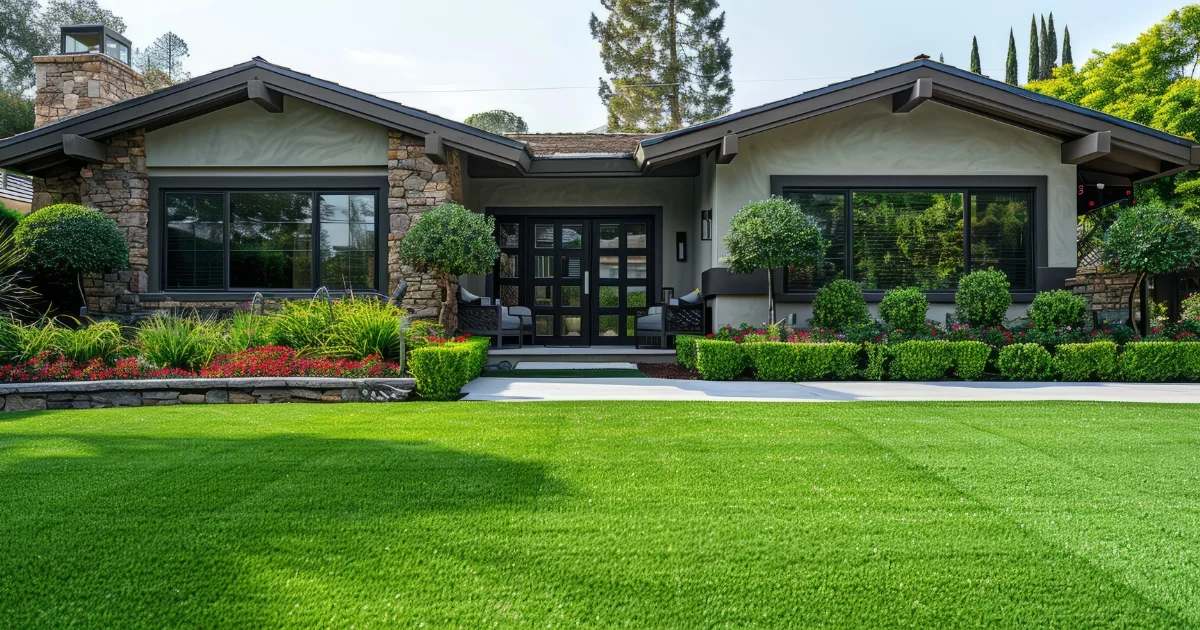
Did you know artificial turf has the power to be very environmentally friendly? From a reduced water usage to eco-friendly maintenance, synthetic grass is a great way to reduce your carbon footprint and begin a green-friendly trend in your neighbourhood.
If you want to learn the essential benefits of protecting the environment with the help of artificial turf, follow along with us and we'll introduce you to all of the perks.
Reduced Water Usage
For those who live in areas of the country often impacted by drought, sustainable landscape designs keep water usage in mind. Artificial turf, unlike live grass, requires little to no water outside of the occasional rinsing to clean away dirt and debris. Artificial grass also reduces excessive water waste from timed sprinkler systems that run, whether or not they're required. Not to mention you can have creative control on your landscaping ideas.
A 2014 study discovered that the impacts of artificial fields were lower than their natural grass equivalents over the life cycle of artificial grass? That’s a significant milestone when you consider the cost and environmental impact of the overconsumption of water.
Reduced water usage isn't only good for the environment, but good for those looking to save a little money. In areas that regularly experience water shortages, water usage can become increasingly expensive. By cutting your water bills in half, you can see why it would be beneficial to switch over to artificial turf. By utilizing low-cost artificial lawn options, you can save the planet and save yourself a little bit of money in the process. It’s a win-win situation.
No Need for Chemical Products
Regular maintenance on a natural lawn usually requires a lot of harsh chemicals like pesticides and herbicides to keep the lawn free from invasive pests. If you have pets or children living with you, you have to be extra careful about reading label on these products, because many of them can be very toxic when exposed to skin or if digested. These chemicals can also be detrimental if they leech into local water sources, which is even more impactful in drought-ridden areas.
Chemicals are something that you don't need to be concerned with when it comes to artificial turf. You don't need regular applications pf pesticides, herbicides, or even fertilizers. Your synthetic lawn doesn’t need to be free from pest, or weeds, and it certainly doesn’t need to “grow.” It will simply look beautiful for years to come with limited need for maintenance.
If you've ever had issues with weeds in your natural lawn before you installed artificial turf, it's actually possible for a few to pop up from time to time. This is why a weed barrier is a simple solution that will help keep your lawn weed-free without the need for any unnecessary chemical sprays or herbicidal applications.
Reducing Landfill
Yard trimmings that aren't properly composted, lawn maintenance equipment that no longer works, and plastic trash bags for lawn care products are just a small sample of items that take up space at the local landfill. Waste reduction is a big agenda to combat climate change and address any needless waste. An artificial lawn installed for up to ten years of use is a way to do that.
If you've inherited an artificial lawn that has to be replaced, reach out to your local turf experts about recycling your old turf rather than disposing of it. Often, an artificial lawn or at least some parts of it can be salvaged or recycles, which reduces the need to contribute to unnecessary landfill. Eco-friendly artificial grass can be utilized in many situations, including personal or private use.
No Air Polluting Equipment Required
Lawnmowers and other lawn maintenance equipment such as hedge trimmers and edgers can be a major cause of air pollutant emissions across the country. The larger your natural lawn is, the more emissions you're likely releasing into the air. This causes not only an increase in air pollutants, but it also puts you at risk for exposure to harmful particles, especially if you're doing the yard work. Installing an artificial lawn reduces your own exposure to pollutants and can help to keep unnecessary emissions away from your community. It's an easy way to reduce your carbon footprint and can keep fuel costs much lower.
Did you know that a petrol mower produces just about the same air pollution as running 11 cars simultaneously? With no mowing or watering necessary, artificial turf avoids using water, electricity, as well as petrol. They also don't require fertilizers or weedkillers (chemicals known to contribute to pollution). Avoiding these unnecessary products protects your children, pets, and local ecosystem.
Reducing Noise Pollution
All of the aforementioned equipment we just described contributes to air pollution and noise pollution alike. This may not seem as big of a deal, but your neighbours will thank you for reducing one less lawnmower to listen to Sunday mornings. Perhaps most importantly, you’ll be helping out local wildlife as well. Noise pollution is not only a stressor to local wildlife populations, it can make it harder for them to survive. Animals can miss important mating or warning calls, or lose acoustic senses required for hunting/migrating. A single lawnmower could be doing more harm than you’d ever think, and it could be impacting the biodiversity of your community.
Utilizing Recycled Materials
Artificial turf often causes concern for the environmental effects of plastics used in some turf materials. Nay-sayers will often use this to discount the green power of artificial turf. However, the good news is that many turf products are made from recycled materials and can also be recycled at the end of their life cycle.
Also, it’s important to note: Artificial grass can last up to ten to twenty years as long as you practice the proper maintenance. It depends entirely on how it’s utilized, the exposure to the elements, and your overall basic care of your turf. An artificial lawn exposed to daily, heavy use is still projected to last for several years.
The use of recycled materials can actually make artificial turf an eco-conscious option for those who want to make decisions at their home/business that are environmentally sound.
How is turf recycled exactly?
Worn-out or damaged turf is generally separated into clean and raw components. This makes it possible to dispose of worn-out turf without leaving waste behind from the original components and allows you to repurpose them. The turf is safely transported to a facility where the components are broken down into clean, raw materials consisting of sand, rubber, and plastic fibers, and is used in new production cycles. This includes the installation of new, synthetic turf.
Maintaining Your Artificial Turf Long Term
Artificial grass does require some maintenance to not only keep it clean, but to maintain it's life expectancy. A regular maintenance plan should include a good spring cleaning, and if required, another in the fall before it starts to snow. The main purpose of maintaining artificial grass is to keep debris off of the turf so it continues to look good, as well as removing any organic materials that could end up in between the blades of grass. You can use a basic push broom and prevents organic materials from building up over time, which can lead to weeds, moss, and the growth of mold. The time required to keep up your artificial turf is going to vary based on the type of organics your lawn faces each year, but it's often contributed to several factors:
Dogs or pets that use the lawn as a potty
Adjacent trees that regularly shed pollen, leaves, needles and twigs
Flowering plants or shrubs
A lot of foot traffic
Artificial grass maintenance isn't nearly as difficult as you think, if you're stuck on how to take care of your artificial lawn, we can help.
FieldMasters offers several services as a part of artificial turf maintenance plans:
Thorough cleaning and removal of any stains, dirt, debris, and litter that can clog up the synthetic grass.
Detailed inspections that ensure all connective seams between your turf are solid, and the edges are anchored down to prevent curling, shifting, and possible stretching.
Replacements as well as reinstallation of any damaged or worn-out turf where/if required
Thorough brushing of the entirety of the artificial grass’ surface, especially in areas with a high volume of traffic, to lift up bent grass blades and restore that natural lawn finish.
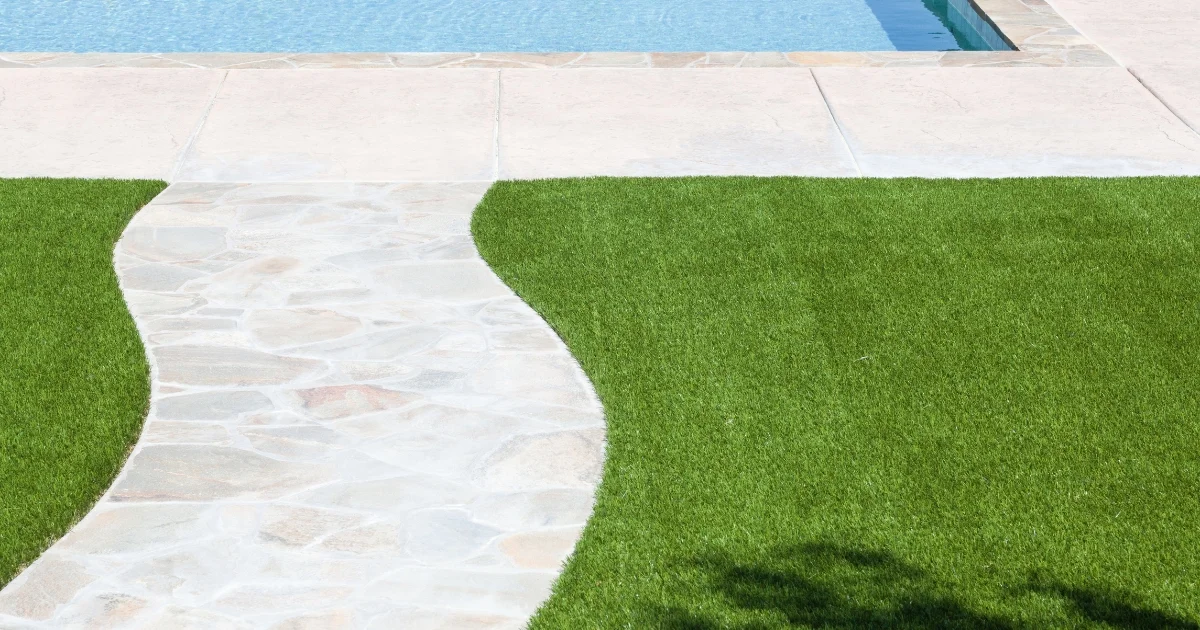
Keeping it Green with Artificial Turf
Artificial turf isn’t just environmentally friendly; it’s a landscaping choice that will maintain its beauty just as well as the day it was installed for many years to come. If you want to make a greener decision, reduce water and pollution costs, then choose artificial turf for your next landscaping project. Want to know more about the benefits of artificial lawns. Check out FieldMaster’s blogs for more details!