

 Fieldmasters
Admin
Fieldmasters
Admin
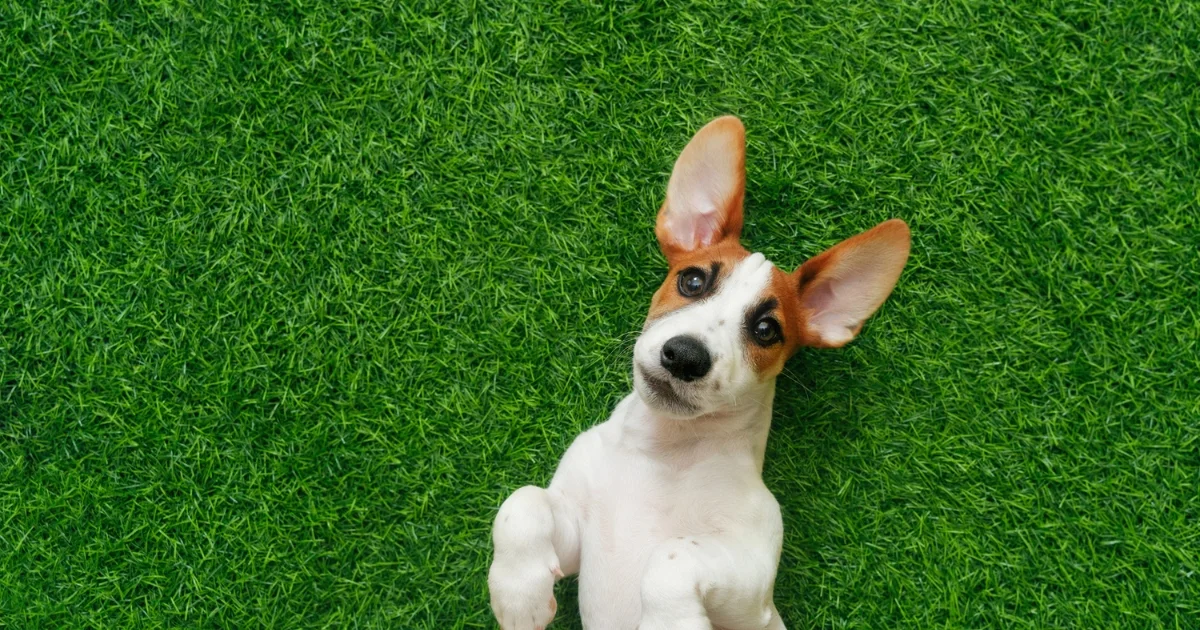
Artificial turf has become a popular option for pet owners, so much so that even dog parks and daycare facilities are opting for artificial turf installations. However, there are still a lot of misconceptions that come with artificial grass, including that it isn't optimal for pets - which wouldn't be further from the truth.
Today, we’ll be answering the most frequently asked questions about artificial turf and their pet-friendliness!
Is artificial turf safe for dogs?
Indeed, artificial turf is entirely safe for pets. Synthetic grass designed for pets is notably more durable than natural lawns, capable of enduring any damage caused by the dog's claws or paws. With artificial turf, the pet's inability to dig through offers an advantage, making it a preferred choice for numerous professional dog boarders and pet owners over conventional grass.
Let’s answer some of the most frequently asked questions (FAQ) about turf and your pets!
Is artificial turf toxic for dogs?
Rather the opposite, pet turf installation is ideal for creating a safe environment for dogs that protects them from exposure to harmful lawn chemicals such as pesticides. Unlike live grass, synthetic grass doesn't allow weeds to grow - which eliminates the need for fertilizers and harmful chemicals typically used to kill weeds.
According to Pet MD, grass allergies are common in dogs, including inhalant or contact allergies that can be triggered by pollen associated with grasses. This means that artificial turf could be a great alternative for sensitive pets. See our blog on artificial turf and allergies here!
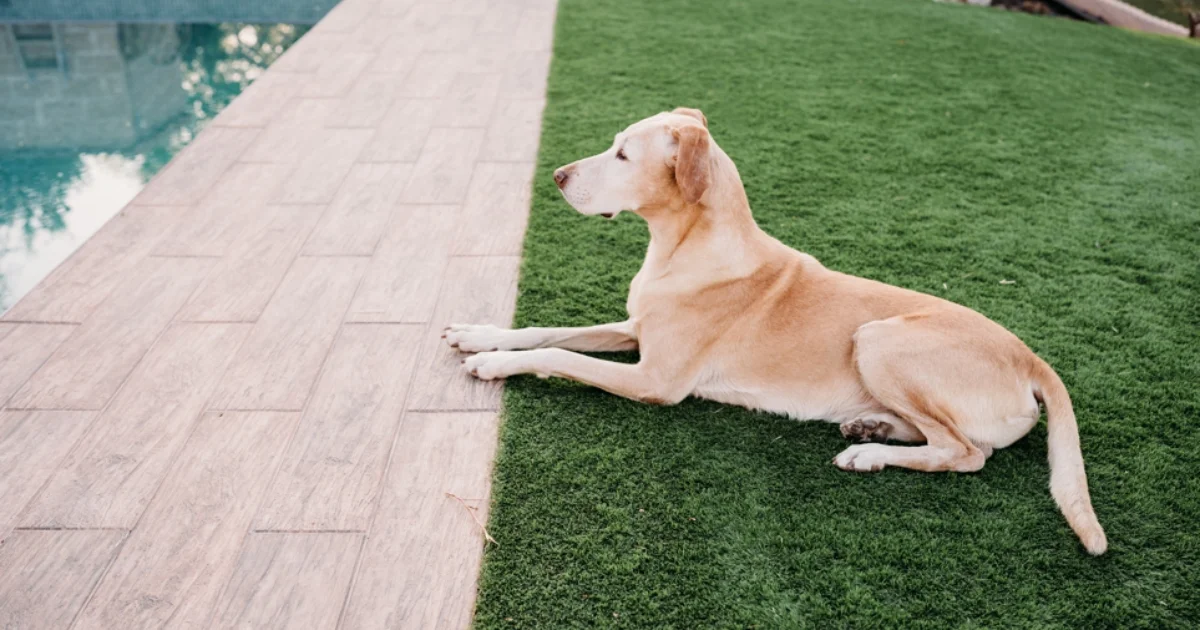
Can dogs go potty on artificial grass?
Yes, absolutely. Artificial turf isn't just good for playing on, but they can also go to the bathroom on artificial grass with little consequence. Having said that, unlike natural grass, synthetic grass doesn't absorb or break down dog waste, so it will require some cleaning and maintenance. The surface does allow for pet urine to seep through and drain, but poop will require you to remove it just as you would with typical grass. After you clean things up, feel free to flush your lawn semi-regularly to make sure you manage the smell. Other than that, it's OK for dogs to do the doo.
Does dog urine ruin artificial turf?
No need to worry that dog urine will kill your artificial grass. While it's true you will have to wash your turf with water to avoid odour, you won't have to worry about it browning like natural grass. However, if you're concerned, talk to your resident turf professionals (such as our professionals at Fieldmaster’s) about installing designated poo patches. That way, you have easier cleanup.
Can fleas and ticks inhabit artificial grass?
Eliminating pests like fleas and ticks can be challenging. While artificial grass doesn't provide a suitable habitat for these parasites within its blades, it doesn't guarantee complete eradication. Although lacking soil for nesting, the accumulation of debris and leaves can foster a conducive environment for breeding. By maintaining cleanliness in your artificial lawn, you can significantly reduce the likelihood of fleas and ticks.
How should artificial turf for dogs be maintained?
Regularly hose down the area to prevent odours and unpleasant smells. Dispose of feces in a bin as you would in a natural yard. Using a high-pressure hose can effectively clean your dog’s favorite spot. Routine hosing is the primary maintenance required to keep artificial turf clean and healthy for your pets.
What's the solution for stubborn dog pee odour on fake grass?
Persistent dog urine odor in frequented spots can be a common issue with synthetic grass. Even after hosing down the turf, the smell may persist if your pets tend to use the same spot frequently. Combat this by creating a solution of equal parts water and vinegar. Apply this mixture to the affected area and allow it to dry, effectively eliminating any lingering odor.
Is artificial turf durable and long-lasting?
Artificial turf is engineered to withstand the test of time, with a lifespan of up to ten years or more with proper maintenance. It can endure the rough play of pets and children without showing signs of wear and tear for the most part, and if it does begin to look a little lackluster, maintenance can bring it straight back to life. You won’t have to worry about it dying away.
How economical is artificial grass?
While artificial turf requires an initial investment, the long-term savings on water and maintenance costs make it a cost-effective choice over the years. Not to mention there is a lot less labour involved, so you’ll be saving a lot of personal time and effort that would otherwise be spent maintaining a natural lawn. Not to mention you don’t have to install artificial turf on your own, you can rely on professionals, like us, to provide you with a consultation and artificial turf installation.
What should I put under artificial grass for my dogs?
Consider adding a layer of infill beneath the artificial turf for your dogs. Options include crumb rubber, sand, or silica granules. Many pet owners opt for silica granules due to their superior quality and comfort for their furry companions.
For more everyday benefits beyond these FAQs, check out our blog on 5 Ways Artificial Grass Is Making Life Easier for Pet Owners.
We’ve talked about dogs – but how is artificial turf for cats?
You hear a lot of discussion on whether or not artificial turf is ideal for dogs, but there’s little discussion on whether or not synthetic grass is good for cats too. Luckily for you, artificial turf not only has many uses, but it’s also a versatile option for multiple pets, including your fuzzy feline friends.
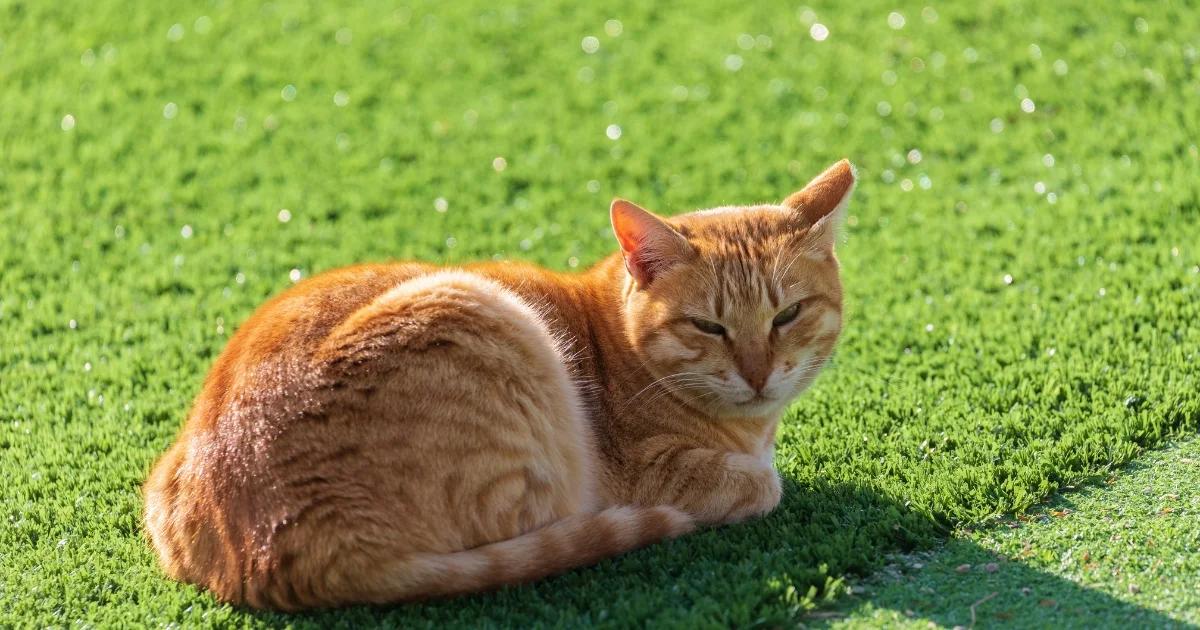
Is synthetic grass safe for cats?
Good news - artificial grass is completely safe for both cats and dogs. Even if your cat has a habit of chewing everything it sees, you can rest assured that artificial turf is safe. Realistically, artificial turf is even safer for your pets because there's no need to apply chemicals to it to keep it pristine. Reputable artificial turf companies in North America generally adhere to strict guidelines so you don't have to worry too much about your feline companions getting ill as a result of turf.
Can my cat damage my synthetic grass?
While it is quite resilient when it comes to common chewing practices, you won't need to worry about your cat using your turf as a potty - it won't damage or discolour it. As long as you manage your turf with regular maintenance then there is little concern if your furry friends use your artificial turf as a toilet. You can further optimize your turf with an anti-microbial infill that can be used if your pets regularly use your turf to relieve themselves. This can help prevent a buildup of bacteria and help manage odours.
Can artificial turf work for indoor cats too?
Believe it or not, artificial grass is excellent for cats who have spent most of their time indoors. Cats will absolutely love the feel of artificial turf and will no doubt enjoy taking naps on its plushy exterior. A bonus is that it's generally much cleaner than typical grass - sans dirt and dust. Whether you choose to make an indoor cat area for play or if you want a nice outdoor enclosure for your cat, artificial turf is great for your little feline companions. If you're worried if your cat would like it, you can introduce them to a small section and see if they approve.
Will artificial grass be too hot for my cat in the summer?
Assuming your turf is outside and not a part of a stylish indoor enclosure, artificial grass retains slightly more heat than natural grass if it's in direct sunlight. However, there is plenty you can do to prevent your synthetic turf from getting too hot. You can place it in shaded areas or cool it off with a garden hose or sprinkler.
It can be kept cool by providing shade and instantly cooled off with a spray from a garden hose or sprinkler. It's typical to spot cats lounging in shaded grassy spots, whether it's natural or artificial. Keep an eye out for artificial grass that incorporates heat-blocking technology. See more on how to keep your artificial turf cool!
To recap…
Artificial turf offers a lot of perks for cats and dogs alike. If you want to utilize synthetic grass for a new pet project (get it?), here are the main takeaways from our article to consider:
Soft and comfortable surface: Artificial turf provides a soft and cushioned surface for pets to walk, run, and lounge on, offering comfort similar to natural grass.
Low maintenance: Unlike natural grass, artificial turf requires minimal maintenance such as mowing, watering, and fertilizing, making it easier for pet owners to manage.
Durability: Artificial turf is designed to withstand heavy use and is resistant to wear and tear from pets' claws, ensuring longevity and durability.
Cleanliness: Artificial turf does not get muddy or develop bare patches like natural grass, keeping pets cleaner and reducing the tracking of dirt and mud into the house.
Reduced allergens: Artificial turf can help minimize exposure to outdoor allergens such as pollen and grass seeds, which can be beneficial for pets with allergies.
Pest control: Artificial turf eliminates the need for pesticides and insecticides commonly used on natural grass, reducing the risk of pets coming into contact with harmful chemicals.
Safety: Artificial turf is typically free of harmful chemicals and sharp objects, providing a safe environment for pets to play and exercise without the risk of injury.
Drainage: High-quality artificial turf is designed with efficient drainage systems that prevent water from pooling on the surface, ensuring a dry and comfortable area for pets to enjoy.
If you’re ready to get your next artificial turf for your pets, don’t hesitate to consider Fieldmaster’s Synthetic Grass and Landscape Design. Check out our gallery to see some of the stellar projects we’ve been a part of.