

 Fieldmasters
Admin
Fieldmasters
Admin
The planet is sending us an urgent message, and it's high time we all start listening. Current research on the state of our environment tells us that:
Our lifestyles are munching through resources as if we've got 1.6 Earths at our disposal, putting a colossal strain on our ecosystems.
Over 8 million species of plants and animals are on the brink of extinction.
Human activities have negatively affected two-thirds of our oceans.
And a staggering three-quarters of the Earth's land surface has been significantly modified by us humans.
Yes, these numbers are a wake-up call. But don't lose hope just yet. They're also a nudge for each of us to pitch in by changing how we live, even in small ways.
And guess what? People are already stepping up. Supermarkets are bidding adieu to plastic bags. The coffee shop down the street? They're all about paper straws now. And many folks are opting for plant-based meals more often to dial down CO2 emissions.
Now, imagine you could chip in, doing your part for the earth while also giving your living space a bit of a facelift. That's the opportunity synthetic grass offers.
By choosing to lay down artificial turf in your garden, or even sprucing up your balcony or terrace with it, you're not just opting for convenience and curb appeal. You're also making a choice that's kinder to our planet.
Today, we're diving into the green credentials of artificial turf, showing you how this simple switch can be a small step towards a more sustainable future.
Fieldmasters Synthetic Grass, a leader in the synthetic turf industry since 1991, has been installing and maintaining a variety of synthetic turf systems for years. Call us or send an email today to learn more.
Synthetic Grass: Protecting the Environment, One Yard at a Time
We understand if you’re scratching your head over how synthetic lawns could protect the environment.
After all, natural grass is…well…natural! Shouldn’t something ‘natural’ be better for nature?
Not necessarily.
It’d be one thing if we let our lawns grow wild and didn’t maintain or water them. Then, yes, our grass would be entirely natural—human interference nowhere to be found. It’d get watered by the rain and fertilized whenever animals used it as a bathroom.
But the reality is that the grass surrounding your home requires abundant maintenance (performed by we humans).
This leads to energy consumption, pollution, and many other factors that take their toll on the environment. Even if you were okay with your lawn becoming an untamed jungle, your neighbours and guests might take issue with it.
Furthermore, most homeowners don’t want their lawns turning into a jungle (although there’s no accounting for taste).
Most homeowners desire a natural lawn that complements their property, which entails many non-green-friendly practices.
Thus, synthetic grass has emerged as an alternative option for homeowners wishing to combine their ideal aesthetic, minimal maintenance, and environmental friendliness.
Decreasing Water Usage
How often do you have to water your lawn?
Ontario might not be prone to severe droughts like California (for instance), but the area can get exceptionally dry. Lawns must often be watered through sprinkler systems, or you can do it manually with your hose.
This is a 100% necessity for your grass. If you don’t water it, it will turn brown and brittle, dry out, and ruin your outdoor aesthetic.
Regarding the above points, it can take up to 67,500 gallons of water to care for 500 square feet of lawn annually. That’s around three swimming pools worth of water.
We’ll note how synthetic lawns do call for some water usage. However, it’s so you can rinse off debris. You can do that once every one or two weeks instead of daily or every couple of days.
You reduce water waste significantly with a synthetic lawn. Plus, you’ll do wonders for your water bill—a double whammy of perks.
Cutting Down On Chemicals
There’s no avoiding using pesticides, herbicides, and other harsh chemicals to stave off pests in a natural lawn. It comes with the territory.
Pesticides rid you of your target (i.e., weeds and insects) but contaminate other vegetation (e.g., turf, water, and soil). They’re also toxic to fish, non-target plants, birds, and insects that are good for ecosystems.
It’s a catch-22 with a natural lawn. You must protect it, which frequently means polluting and harming the environment.
Synthetic lawns don’t require fertilizers, pesticides, and herbicides because weeds and pests won’t be a factor.
However, weeds can sprout in artificial lawns on odd occasions. In these limited instances, a weed barrier is all one requires to eliminate the problem. Chemical treatments aren’t necessary.
Reducing Landfill Waste
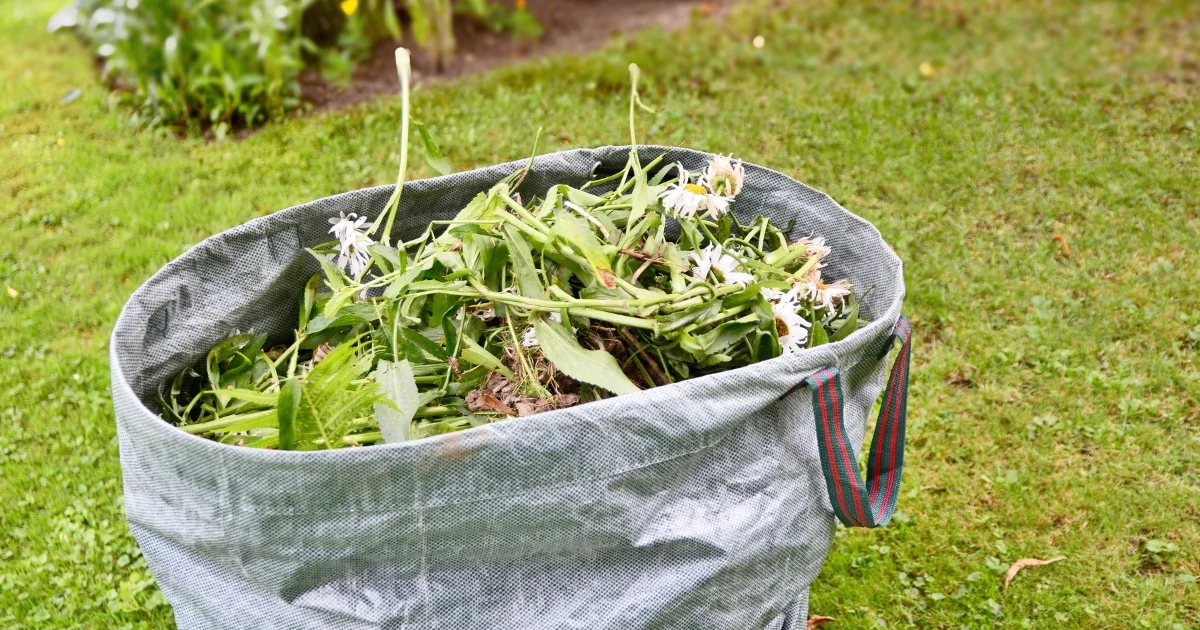
Did you know that landfills receive as much as 10.4 million tons of yard trimmings each year?
Yard trimmings include leaves, grass, and brush trimmings from commercial, residential, and institutional properties.
Additionally, lawn care products get thrown into trash bags and end up in landfills. So do lawnmowers and leaf blowers when they stop working or are replaced by better models.
Synthetic lawns offset the bulk of these issues.
In a later section, we’ll address this topic in further detail, but many synthetic lawns are 100% recyclable, while some aren’t. Even the ones with some non-recyclable materials are—at least partly—recyclable.
So, perhaps a few components of artificial lawns will end up in landfills. Even in this worst-case scenario, you won’t amass the trimmings, broken equipment, or lawn care products that fill up landfills.
Helping Keep the Air Clean
Lawnmowers, hedge trimmers, edgers and other lawn maintenance equipment produce pollutants at an alarming rate. They are a substantial source of harmful emissions across the continent.
The EPA reports that gasoline-powered off-road equipment (e.g., mowers and leaf blowers) emits 242 million tons of annual pollutants. This amount equals the contaminants produced by homes and cars.
Larger lawns, in particular, do tons of damage because of how much ground lawnmowers and other maintenance equipment must cover.
An artificial lawn rids the need for a mower, helping the fight against toxic emissions and air pollutants.
Thus, investing in synthetic grass means you’ll cut down on your carbon footprint while vastly decreasing your yard maintenance workload. Sounds like a win-win to us.
Leveraging Recycled Materials
As briefly discussed earlier, most—if not all—of the materials used for artificial lawns are recyclable.
Artificial turf is often made out of these products:
Polyethylene.
Nylon.
Polypropylene.
These materials are all easily recycled and welcomed with open arms at recycling facilities.
Synthetic turf is frequently converted into new, usable materials. All the components get separated, and the plastics are isolated, cut, melted, and reshaped into pellet form. The pellets are incorporated into new products, including carpeting and manufacturing supplies.
Note: Replacing or removing synthetic lawns isn’t a common issue homeowners must face. The materials used in modern products are robust and durable, able to last a couple of decades if well-maintained.
Providing Lead-Free Options
Lead damages surrounding ecosystems, impeding biodiversity and decreasing animal and plant reproduction growth.
Not all artificial lawns are lead-free, but we’re proud to say ours is. When you shop with us, you’re aligning with a green-friendly brand.
When we design our products, the environment is our priority (alongside customer satisfaction), even beyond our lead-free compositions. For instance, our synthetic grass is also non-flammable, preventing fires that can further damage the atmosphere and surrounding wildlife.
Improving the Environment and Your Quality of Life
Doing your part to protect the environment is obviously important. So is leading a quality of life that enhances your wellness, overall zest, and appreciation for each day.
Investing in an artificial lawn is a green-friendly option that improves your quality of life, ticking both boxes. You’ll have a lawn that looks great, offers versatility in design and aesthetics, and reduces about 95% of the legwork required in maintenance.
Did you know our friends down south spend around 70 hours on their gardens and lawn care every year? We’d venture a guess it’s the same in Southwestern Ontario.
You can save almost three full days a year by replacing your natural lawn with an artificial one. Plus, with our artificial lawns, the required maintenance work is lessened further by high drainage capabilities.
Imagine what you can do with all that time you save.
You could spend it with your family. Perhaps you can focus on self-care. Or, you could use those freed-up hours to find other ways to go green-friendly. The world will be your oyster.
Go Green, Go Synthetic
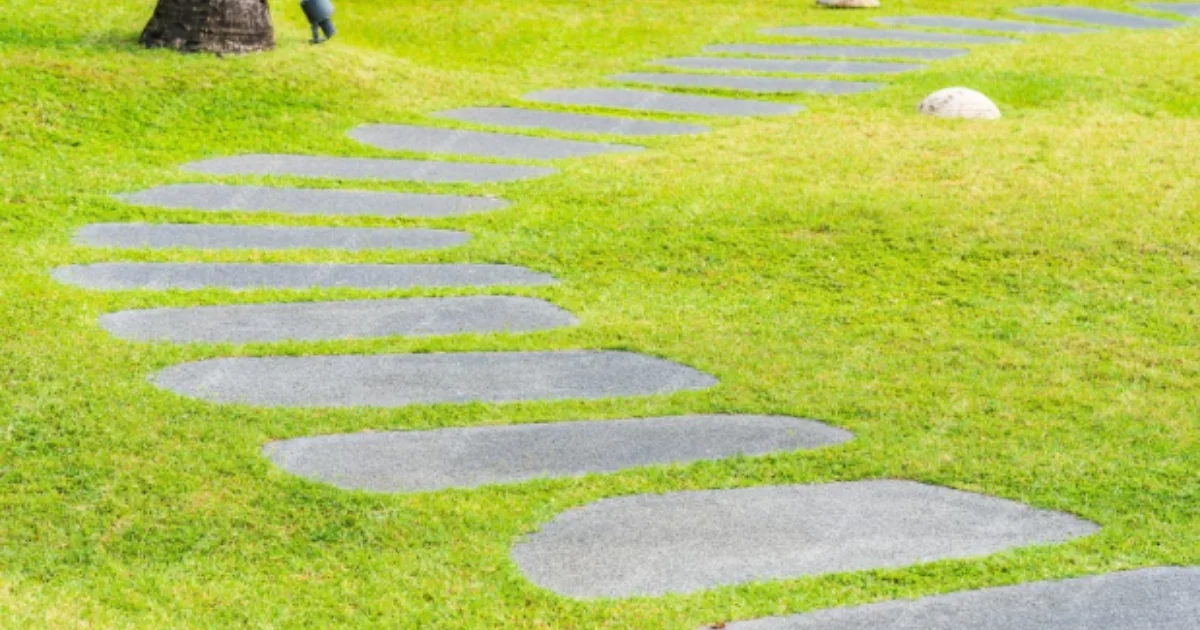
Artificial grass no longer resembles a scratchy green carpet.
Gone are the days of designing synthetic lawns that don’t jive aesthetically with their surroundings. Modern products more than pull their weight with visual appeal and eye-catching style.
Enjoy perks like reduced maintenance and environmental benefits while improving your property’s exterior appearance.
Better yet, our lawns are pet-friendly. Our material holds up against enthusiast pups who can’t help but dig away, and our lawns are easily cleaned when used as a doggo bathroom.
With synthetic grass, you can have your cake and eat it too. You can protect the environment while reducing your own workload around the house. On top of that, it looks good, so you feel good whenever you see it.
Want to finally make the transition to a synthetic lawn? Contact us today and we’ll gladly steer you toward a product that suits your needs.